


Introduction
In the cooling system of a heavy truck, the coolant expansion tank serves a function that is easily underestimated but critically important: it is not merely a storage container for coolant, but the core element of pressure regulation and volume compensation for the entire cooling system. When engine coolant temperature rises, the coolant expands and excess volume enters the expansion tank; when temperature falls, coolant returns to the engine passages. This "breathing" process maintains pressure balance within the cooling system, preventing pipes from bursting under excessive pressure and preventing engine overheating due to insufficient coolant.
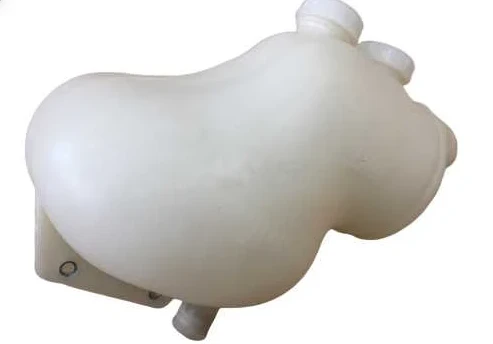
OEM number 8152259 identifies a coolant expansion tank that is standard equipment on Volvo FL7 and FL10 series trucks, primarily serving FL series models produced between 1985 and 1998. In the aftermarket, the component circulates as both new aftermarket parts and used salvaged parts.
For aftermarket distributors, import companies, and workshop chains serving older Volvo fleets, the 8152259 is a category with a clearly defined application boundary, demand driven by vehicle age, and aftermarket supply dominated by branded replacement parts. This article examines the expansion tank from an aftermarket perspective, covering its technical function, application scope, quality differentiation criteria for aftermarket parts, and how distributors can build a supply relationship around this component.
I. Technical Function and Failure Modes
The coolant expansion tank performs three functions in the cooling system. First is volume compensation: coolant expands or contracts as engine temperature changes, and the expansion tank provides additional volume space to absorb expansion and compensate for contraction. Second is pressure regulation: the tank cap integrates a pressure valve that releases pressure when system pressure exceeds the set value, preventing damage to pipes and the radiator. Third is level visibility: the tank is typically made of translucent plastic, facilitating coolant level inspection.
The 8152259 is a plastic expansion tank. According to aftermarket product data, its capacity is approximately 5.5 liters, the material is plastic, and it is typically supplied with a cap, with some versions not including a coolant level sensor. The tank serves Volvo FL7 and FL10 models, covering the production range from 1985 to 1998.
Expansion tank failure typically manifests in the following modes:
Plastic aging and cracking: The expansion tank continuously endures thermal cycling and pressure pulsation, and the plastic material gradually ages and becomes brittle. Cracks typically appear at seams, around connections, or in stress concentration areas. Once cracked, coolant leaks under pressure, the system cannot maintain normal pressure, and engine overheating risk rises significantly.
Connection seepage: The connections between the tank and cooling system pipes are sealing weak points. Aged connections, loose clamps, or deformed pipe ends can cause seepage. This failure often develops gradually, from slight weeping to obvious leakage.
Cap failure: The pressure valve and vacuum valve in the tank cap are consumable components. Pressure valve spring fatigue causes opening pressure to be too low, resulting in insufficient system pressure; vacuum valve failure may prevent coolant from being drawn back during cooling, causing the system to ingest air.
Level sensor failure (if equipped): Some versions are equipped with a level sensor, and sensor float sticking or circuit faults can cause false or missed level warnings.
For aftermarket distributors, expansion tank replacement demand is primarily driven by vehicle age. The FL7 and FL10 were Volvo's mainstay models in the 1980s and 1990s, and vehicles still in operation today generally exceed 25 years of age. After such a long service life, plastic component aging and cracking is almost inevitable. As a result, demand for this component, while not urgent (vehicles typically provide warning signs), is continuous and predictable.
II. Application Scope and Aftermarket Supply Landscape
The application coverage of 8152259 centers on the Volvo FL7 and FL10 series, with compatible years approximately 1985 to 1998. The defining characteristic of this coverage is that the models are old but still operating in some markets. The FL7 and FL10 were important historical models in Volvo's heavy truck lineup, and a considerable number of vehicles remain in service in parts of Europe, Eastern Europe, the Middle East, and Africa.
In the aftermarket, the supply landscape for 8152259 has several notable features.
Branded replacement supply is relatively mature. Unlike some older-model components where aftermarket supply is scarce, multiple aftermarket brands offer corresponding products for the 8152259.
Used salvaged parts also exist. Salvaged-part suppliers in Eastern Europe and Russia offer used original expansion tanks at lower prices, with products typically indicating source model and dismantling condition. For price-sensitive customers, used parts are an option, but condition and remaining life are uncertain.
Associated numbers provide cross-reference paths. In addition to 8152259, 1660219 and 1665594 are also Volvo numbers associated with the same component. Distributors who can recognize the correspondence between these numbers can quickly confirm fitment during customer inquiries.
From a distributor's perspective, this supply landscape means options exist, but quality stratification requires discernment. Branded replacement parts offer warranty and quality backing, while used parts are lower-priced but higher-risk. A distributor's positioning should be based on its customer base-distributors serving professional workshops should prioritize new branded parts or own-brand aftermarket parts with warranty coverage.
III. Quality Differentiation Criteria for Aftermarket Expansion Tanks
Expansion tanks may appear simple, but quality differences between aftermarket parts directly affect cooling system reliability and service life. When evaluating supply sources, distributors should focus on the following technical dimensions.
Plastic material and temperature/pressure resistance: Expansion tanks must continuously withstand coolant temperatures (typically 85-95°C) and system pressure (approximately 1-1.5 bar). Quality aftermarket parts should use heat-resistant, hydrolysis-resistant engineering plastic (such as PA66 or similar), maintaining strength and sealing under long-term thermal cycling. Low-quality products may use regrind or low-grade plastic, becoming brittle and cracking within months or years.
Connection dimensional and sealing surface precision: The connections between the tank and cooling system pipes must precisely match the vehicle. Inner diameter deviation causes pipe sealing failure or installation difficulty; material thickness and strength around connections affect resistance to stress cracking. Aftermarket parts differ significantly in mold precision at these details.
Cap pressure specification: The tank cap opening pressure must match system design. Pressure that is too low reduces coolant boiling point and makes the system prone to boiling; pressure that is too high may subject pipes or radiator to excessive pressure. Quality aftermarket parts should include pressure-tested caps, while low-cost products may use generic caps with inaccurate pressure specifications.
Batch consistency and traceability: For distributors, batch consistency means tanks from different production runs maintain consistent dimensions and material performance. Reliable aftermarket manufacturers should provide batch traceability records and have corrective capability when quality issues arise.
IV. Positioning This Component for Aftermarket Distributors
For distributors building or expanding a Volvo older-model aftermarket product line, the 8152259 has several clear positioning characteristics.
Age-driven stable demand. FL7 and FL10 vehicles generally exceed 25 years of age, and plastic expansion tank aging replacement is a continuous need. This demand does not depend on sporadic failures but correlates directly with vehicle age, making it predictable. Distributors can plan inventory levels based on the FL series population in their served markets.
Synergy with cooling system category. Expansion tanks can form a product combination with radiators, water pumps, thermostats, hoses, and caps, offering workshops a one-stop solution for cooling system repair. For fleets still operating older Volvo vehicles, workshops prefer to source complete cooling system components from a single supplier.
Market space for branded replacement parts. As original parts supply gradually diminishes with vehicle age, branded replacement parts become the primary aftermarket source. Distributors who can partner with aftermarket manufacturers with production capability to build their own branded expansion tank line can establish a differentiated position in this category.
Technical support as a differentiator. Expansion tank installation involves connection sealing and system bleeding. Distributors who can provide installation precautions, cap pressure specification confirmation, and fitment inquiries build technical value with workshop customers that goes beyond price competition.
V. Partnering with Mide-Diesel for Aftermarket Expansion Tank Supply
For distributors and import companies seeking a factory-direct aftermarket supply of expansion tanks and related cooling system components, Mide-Diesel Technology & Parts Co., Ltd. offers a manufacturing partnership built on production capability and aftermarket focus.
Founded in 2009 and headquartered in Shanghai, Mide-Diesel has developed multi-category manufacturing capabilities across the European heavy truck aftermarket parts sector, supplying distributors and workshop customers in more than fifty countries and regions. The company's product range encompasses aftermarket components for multiple Volvo truck systems, with plastic molding and cooling system component production capabilities.
On the production side, Mide-Diesel follows full-process quality control from raw material inspection through finished product functional verification. Expansion tank products undergo dimensional precision, connection sealing surface quality, and material performance checks before shipment, ensuring batch consistency meets professional aftermarket requirements. Supplied caps can be verified against system pressure specifications.
For distributors seeking to move from sporadic purchasing to scalable wholesale relationships, Mide-Diesel provides bulk inventory support, enabling partners to build their own branded cooling system component lines. A dedicated after-sales technical support team assists with cross-reference confirmation and fitment inquiries.
Distributors already sourcing other Volvo aftermarket categories from Mide-Diesel-including transmission control components, intake system parts, or air system components-can typically incorporate expansion tanks into their existing supply relationship without the overhead of qualifying an entirely new supplier.
Conclusion
The coolant expansion tank (OEM 8152259) is a structurally simple but functionally critical aftermarket component in the cooling systems of Volvo FL7/FL10 trucks. Its demand is age-driven, continuous, and predictable, and the aftermarket already has multiple brands offering new replacement parts alongside used salvaged supply. For aftermarket distributors serving older Volvo fleets, the key in this category is choosing sources with quality backing and stable supply, rather than chasing the lowest price or relying on salvaged parts of uncertain condition.
In the aftermarket context, building a cooling system product line around a verified aftermarket manufacturing partner is the practical path to earning long-term workshop trust.


