

What is the lifespan of typical electrical parts?
As a seasoned electrical parts supplier, I've had the privilege of witnessing firsthand the diverse needs and challenges faced by industries relying on electrical components. One question that frequently arises is about the lifespan of typical electrical parts. Understanding these lifespans is crucial for businesses to plan maintenance, budget effectively, and ensure the smooth operation of their equipment. In this blog, I'll delve into the factors influencing the lifespan of common electrical parts and provide insights based on my years of experience in the industry.
Factors Affecting the Lifespan of Electrical Parts
Before we discuss the lifespan of specific electrical parts, it's important to understand the factors that can significantly impact their longevity. These factors include:
- Quality of Materials: The quality of materials used in manufacturing electrical parts plays a vital role in determining their lifespan. High - quality materials are more resistant to wear, corrosion, and electrical stress, which can extend the part's useful life. For example, a capacitor made with high - grade dielectric materials will have better performance and a longer lifespan compared to one made with lower - quality materials.
- Operating Conditions: The environment in which electrical parts operate has a profound impact on their lifespan. Factors such as temperature, humidity, vibration, and exposure to dust or chemicals can accelerate the degradation of electrical components. For instance, parts operating in high - temperature environments may experience faster thermal aging, leading to reduced performance and a shorter lifespan.
- Usage Patterns: How frequently and intensively an electrical part is used also affects its lifespan. Components that are constantly in use or subjected to high - load conditions will generally wear out more quickly than those used intermittently or under lighter loads.
Lifespan of Common Electrical Parts
Now, let's take a look at the typical lifespan of some common electrical parts:
- Switches: Switches are used to control the flow of electricity in a circuit. The lifespan of a switch can vary widely depending on its type and usage. For example, a simple toggle switch used in a low - voltage, low - current application may last for tens of thousands of operations. On the other hand, a high - voltage, high - current switch used in industrial applications may have a shorter lifespan, typically ranging from a few thousand to tens of thousands of operations. The Steering Wheel Switch Panel 21957047 Volvo FH/FM is a specialized switch panel designed for automotive use. With proper usage and in a normal operating environment, it can last for several years, but heavy use or exposure to harsh conditions may reduce its lifespan.
- Relays: Relays are electromagnetic switches that are used to control high - power circuits with a low - power signal. The lifespan of a relay is mainly determined by the number of switching operations it can perform. A typical relay can handle anywhere from 100,000 to 10 million operations. Factors such as the contact material, the load current, and the operating temperature can affect the relay's lifespan. For example, relays used in high - temperature environments may experience faster contact wear and a shorter lifespan.
- Capacitors: Capacitors store and release electrical energy. The lifespan of a capacitor depends on its type, operating temperature, and voltage rating. Electrolytic capacitors, which are commonly used in power supplies, typically have a lifespan of 2,000 to 10,000 hours under normal operating conditions. However, if the capacitor is operated at high temperatures or voltages close to its rating, its lifespan can be significantly reduced. Ceramic capacitors, on the other hand, generally have a longer lifespan and can last for hundreds of thousands of hours.
- Resistors: Resistors are used to control the flow of current in a circuit. They are relatively simple components and can have a long lifespan if operated within their rated power and temperature limits. A well - designed and properly used resistor can last for many years, even decades. However, if a resistor is subjected to excessive power or temperature, it may overheat and fail.
- Lamps: Lighting is an essential part of many electrical systems. The lifespan of lamps varies greatly depending on the type. Incandescent lamps typically have a relatively short lifespan, ranging from 1,000 to 2,000 hours. Fluorescent lamps can last for 10,000 to 20,000 hours, while LED lamps have an even longer lifespan, often exceeding 50,000 hours. The Volvo V4 Fog Lamp 82140763/ 82140744 is an example of a specialized automotive lamp. With its high - quality construction, it can provide reliable lighting for a significant period, but factors such as vibration and exposure to moisture can affect its lifespan.
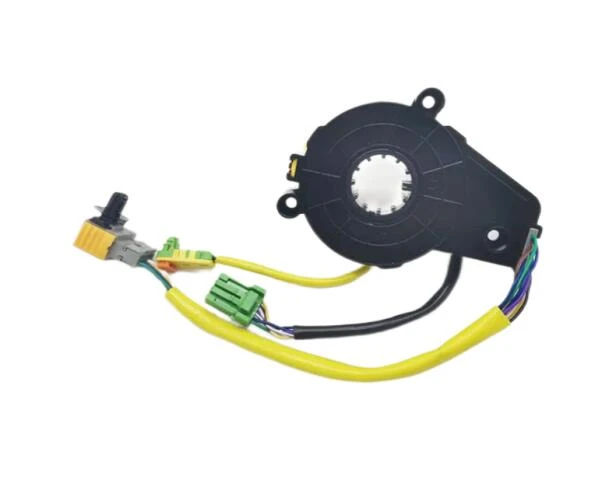
- Clocksprings: Clocksprings are used in automotive steering columns to provide an electrical connection between the steering wheel and the vehicle's electrical system. The Volvo 22071586 Steering Column Clockspring is designed to withstand the constant rotation of the steering wheel. Under normal driving conditions, a clockspring can last for many years. However, excessive steering movement or mechanical stress can cause the clockspring to fail prematurely.
Extending the Lifespan of Electrical Parts
To maximize the lifespan of electrical parts, it's important to take the following steps:
- Proper Installation: Ensure that electrical parts are installed correctly according to the manufacturer's instructions. Improper installation can lead to premature failure due to issues such as loose connections, incorrect wiring, or improper mounting.
- Regular Maintenance: Conduct regular inspections and maintenance of electrical systems. This includes checking for loose connections, signs of wear or damage, and cleaning components as needed. Regular maintenance can help identify and address potential problems before they lead to component failure.
- Optimize Operating Conditions: Try to keep electrical parts operating within their recommended temperature, humidity, and load ranges. This may involve using cooling systems, enclosures, or other protective measures to create a more favorable operating environment.
- Use High - Quality Parts: Invest in high - quality electrical parts from reputable manufacturers. While they may be more expensive upfront, they often offer better performance and a longer lifespan, which can result in cost savings in the long run.
Conclusion
Understanding the lifespan of typical electrical parts is essential for businesses and individuals relying on electrical systems. By considering the factors that affect component lifespan, taking steps to extend it, and being aware of the typical lifespans of different parts, you can better plan for maintenance, budget for replacements, and ensure the reliable operation of your equipment.
If you're in the market for high - quality electrical parts, we're here to help. Our extensive range of products includes everything from switches and relays to lamps and clocksprings. Whether you're a small business or a large industrial operation, we can provide you with the parts you need at competitive prices. Don't hesitate to reach out to us to discuss your specific requirements and start a procurement discussion.

References
- Electrical Engineering Handbook, CRC Press
- Automotive Electrical Systems: Principles, Diagnosis, and Repair, Delmar Cengage Learning
- Capacitor Application Guide, KEMET Electronics Corporation


