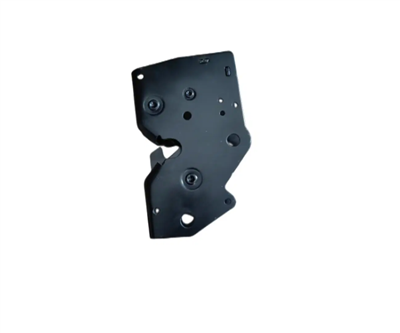
As a seasoned gearbox supplier, I've had the privilege of delving deep into the world of gearbox shift mechanisms. These mechanisms are the heart of any gearbox, dictating how smoothly and efficiently a vehicle can change gears. In this blog, I'll explore the different types of gearbox shift mechanisms, shedding light on their unique features, advantages, and applications.
Manual Shift Mechanisms
Manual shift mechanisms are the most traditional and well - known type of gearbox shift system. In a manual gearbox, the driver is directly involved in the gear - changing process. The driver uses a gear lever to engage different gears by moving it through a series of positions. This system requires a clutch pedal, which the driver must depress to disengage the engine from the gearbox before changing gears.
One of the key advantages of a manual shift mechanism is the level of control it offers to the driver. Skilled drivers can optimize fuel efficiency, engine performance, and driving experience by precisely selecting the appropriate gear for different driving conditions. Manual gearboxes are also generally more reliable and less expensive to repair compared to their automatic counterparts.
However, manual shift mechanisms can be challenging to operate, especially in heavy traffic. Constantly pressing the clutch pedal and shifting gears can be tiring, and inexperienced drivers may struggle to find the right gear at the right time, leading to jerky movements and potential damage to the gearbox.
Automatic Shift Mechanisms
Automatic shift mechanisms have become increasingly popular in recent years, offering a more convenient and user - friendly driving experience. In an automatic gearbox, the gear changes are controlled by a hydraulic or electronic system. The system uses sensors to monitor various parameters such as vehicle speed, engine load, and throttle position to determine the appropriate gear.
There are several types of automatic shift mechanisms:
Torque Converter Automatic
The torque converter automatic is one of the most common types of automatic gearboxes. It uses a torque converter to transfer power from the engine to the gearbox. The torque converter allows the engine to continue running while the vehicle is at a stop, and it also provides a smooth transfer of power during gear changes. This type of gearbox is known for its smooth operation and is often used in luxury and family vehicles.
Continuously Variable Transmission (CVT)
A CVT is a type of automatic transmission that offers an infinite number of gear ratios. Instead of using traditional gears, a CVT uses a system of pulleys and belts to vary the gear ratio continuously. This results in a smooth and seamless driving experience, as there are no discrete gear changes. CVTs are highly efficient and can improve fuel economy, but they may not offer the same level of performance as traditional automatic or manual gearboxes.
Dual - Clutch Transmission (DCT)
A DCT combines the advantages of manual and automatic transmissions. It uses two clutches to control the odd and even gears separately. This allows for very quick and smooth gear changes, as one clutch can pre - select the next gear while the other is engaged. DCTs are commonly used in high - performance vehicles, as they offer fast and precise gear changes, enhancing the driving experience.
Semi - Automatic Shift Mechanisms
Semi - automatic shift mechanisms, also known as automated manual transmissions (AMTs), are a hybrid between manual and automatic transmissions. In an AMT, the driver can choose to shift gears manually using a gear lever or paddle shifters, or the system can shift gears automatically.
AMTs use a traditional manual gearbox but replace the clutch pedal with an electronic or hydraulic system that controls the clutch. This allows for more convenient gear changes compared to a manual gearbox, as the driver doesn't need to operate the clutch pedal. However, AMTs may not offer the same level of smoothness as fully automatic transmissions, especially during gear changes.
Applications of Different Shift Mechanisms
The choice of gearbox shift mechanism depends on several factors, including the type of vehicle, driving conditions, and user preferences.
- Manual shift mechanisms are commonly used in sports cars and vehicles where the driver wants a high level of control over the driving experience. They are also popular in some commercial vehicles, such as trucks and buses, where reliability and simplicity are important.
- Automatic shift mechanisms are widely used in passenger cars, especially in urban areas where stop - and - go traffic is common. They are also popular in luxury vehicles, where smooth and effortless driving is a priority.
- Semi - automatic shift mechanisms are often used in performance cars and some high - end vehicles. They offer the convenience of automatic gear changes with the option of manual control, providing a more engaging driving experience.
Our Gearbox Offerings
As a gearbox supplier, we offer a wide range of gearboxes with different shift mechanisms to meet the diverse needs of our customers. Whether you're looking for a manual gearbox for a sports car, an automatic gearbox for a family vehicle, or a semi - automatic gearbox for a performance car, we have the right solution for you.
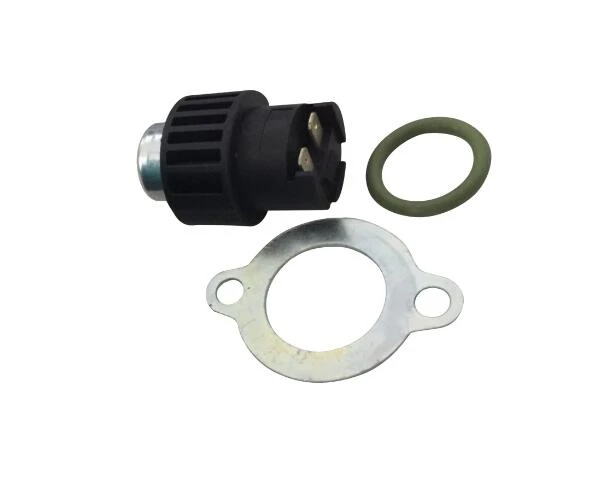

We also provide high - quality replacement parts for gearboxes. For example, we offer the Renault 7420562642, a reliable gearbox component that is designed to fit perfectly in Renault vehicles. Our Renault 7421133934 Control Valve is another essential part that ensures smooth and efficient operation of the gearbox. And our Solenoid Valve 7422327072 is a crucial component for controlling the flow of hydraulic fluid in the gearbox.
Contact Us for Procurement
If you're in the market for a gearbox or gearbox parts, we'd love to hear from you. Our team of experts is ready to assist you in finding the right solution for your needs. Whether you have questions about the different types of shift mechanisms, need help selecting the appropriate gearbox for your vehicle, or want to discuss procurement options, we're here to help.
References
- "Automotive Transmission Systems" by John C. Dixon
- "Fundamentals of Vehicle Dynamics" by Thomas D. Gillespie
- Various technical documents from leading gearbox manufacturers.