

Living in a cabin might seem like a dream come true for some folks. The idea of being close to nature, away from the hustle and bustle of the city, with a peaceful and quiet environment can be really appealing. But as a cabin supplier, I've seen firsthand that it's not all rainbows and butterflies. There are some definite disadvantages to living in a cabin.
1. Limited Space and Storage
One major drawback is the limited space. Cabins are usually smaller compared to regular houses. You don't have those big, open - plan living areas or multiple large bedrooms. This can make it tough to fit in all your stuff. Let's say you have a growing collection of books, or you love collecting antiques. In a normal house, you might have a dedicated room for your collection, but in a cabin, you'll be struggling to find a place to put everything.
Storage can be a real headache. There aren't always built - in closets or large basements to stash your off - season clothes, old furniture, or holiday decorations. You end up having to get creative with storage solutions, like using under - bed storage containers or wall - mounted shelves. It just doesn't offer the same level of convenience as a larger home. If you're a family with kids, all those toys and baby gear can quickly make the cabin feel cramped.
2. Maintenance and Repairs
Cabins are often located in remote areas, which can make maintenance and repairs a challenge. When something breaks, like the plumbing or the electrical system, getting a professional to come out and fix it can be a hassle. There might not be many local contractors available, and those who are may charge a premium for traveling to a remote location.
The materials used in cabins, like wood, are more prone to damage from weather and pests. Wood can rot if it's exposed to too much moisture, and it can also be a target for termites and other insects. You have to be on top of regular maintenance tasks, such as caulking windows, checking for leaks in the roof, and treating the wood to prevent rot and pest infestations. If you neglect these things, it can lead to bigger and more expensive problems down the line.

For example, if you find a leak in your cabin's roof during the winter, it might take days to get a roofer out to fix it. In the meantime, water can seep into the walls and cause damage to the interior, not to mention the risk of mold growth. And speaking of mold, it's a common issue in cabins because of the high humidity levels that can occur, especially in damp areas.
3. Location and Isolation
Many cabins are situated in remote locations. While this can be great for privacy and a connection with nature, it also means you're far away from essential services. Grocery stores, hospitals, and schools are often miles away. If you or a family member has a medical emergency, you might have to drive a long distance to get to the nearest hospital.
The isolation can also take a toll on your social life. It's not easy to go out and meet new people or have regular social gatherings when you live so far from town. Your friends and family might be less likely to visit because of the long drive. And if you rely on public transportation, forget about it. There's usually very little to no public transit available in cabin areas, so you're completely dependent on your car.
Another problem with remote locations is access during bad weather. In winter, roads leading to cabins can be difficult to navigate because of snow and ice. The local authorities might not prioritize plowing these less - traveled roads, leaving you snowed in for days.
4. Utility and Infrastructure Issues
Cabins often have issues with utilities and infrastructure. Sometimes, there might not be a reliable water supply. If you rely on a well for your water, you have to worry about it going dry, especially during droughts. And you also need to maintain the well regularly to ensure the water is safe to drink.
The electrical service can be unreliable too. Older cabins might have outdated electrical systems that can't handle modern appliances. If you want to use a heater, a microwave, and a TV at the same time, you might blow a fuse. And power outages can be more common in cabin areas because the power lines are often more exposed to the elements, like high winds and falling trees.
Internet and cell phone reception can be spotty at best. In today's world, being connected online is crucial for work, education, and staying in touch with people. If you're trying to work from home in a cabin and you can't get a stable internet connection, it can be very frustrating.
5. Insurance and Costs
Insuring a cabin can be more expensive compared to insuring a regular home. Insurance companies consider cabins to be at a higher risk because of their location and the type of construction. They're more likely to be damaged by natural disasters like wildfires, floods, or storms.
Along with insurance, the overall cost of living in a cabin can add up. Heating a cabin in the winter can be costly, especially if you're using a wood - burning stove or an electric heater. The cost of transporting supplies and materials to a remote location can also be high.
When it comes to purchasing a cabin, you might find that the initial cost, along with the cost of land, can be significant. And if you want to make any improvements or upgrades to the cabin, it's often more expensive due to the remote location and the difficulty of getting materials and labor.
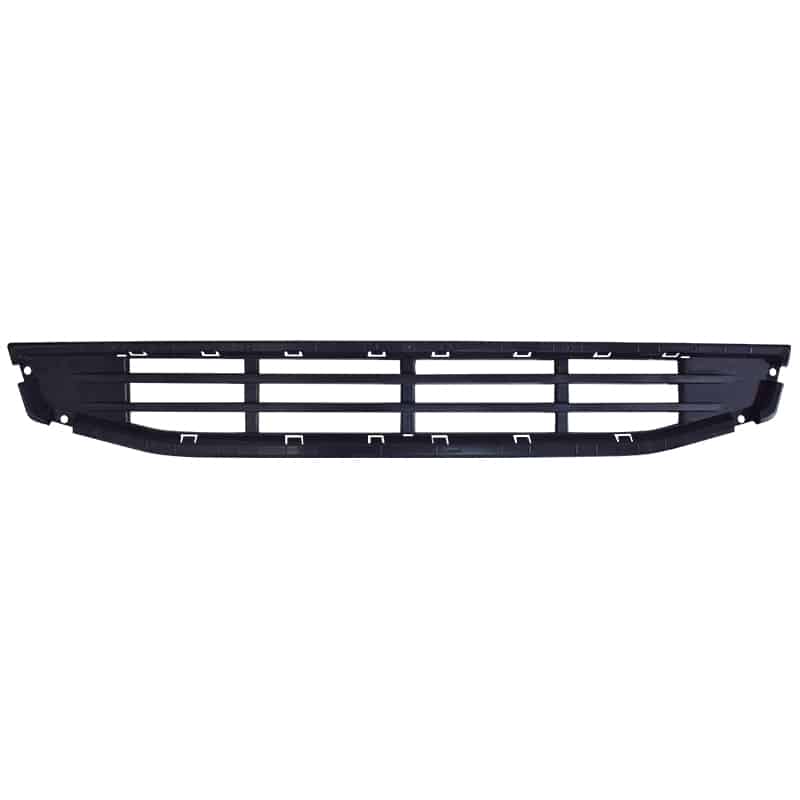
Despite all these disadvantages, cabins still have their charm, and many people are willing to overlook these issues for the unique experience they offer. And as a cabin supplier, I have a range of products to help with some of these problems. For instance, we offer high - quality parts like Volvo 20700956 20545956 21002856 21343556 21789672 Gear Shift Cable, Volvo Lower Grille Insert 82220206, and 20769628 Wiper Panel For Volvo to ensure your cabin's vehicles and equipment are in top - notch condition.
If you're thinking about living in a cabin or already own one and are facing some of these challenges, don't hesitate to reach out. We're here to discuss your needs and find the best solutions for you. Let's start a conversation and see how we can make your cabin experience better.
References
- Smith, J. (2019). "The Realities of Cabin Living". Outdoor Living Magazine.
- Brown, A. (2021). "Challenges of Remote Housing". Housing Today.


