Hey there! As a gearbox supplier, I've seen firsthand how crucial sensors are in modern gearboxes. They play a vital role in ensuring smooth operation, improving efficiency, and enhancing safety. In this blog, I'll walk you through the different types of sensors used in a gearbox and why they're so important.
Temperature Sensors
Temperature sensors are like the gearbox's personal thermometer. They constantly monitor the temperature of the gearbox oil and other critical components. Why is this so important? Well, excessive heat can cause the oil to break down, leading to increased friction and wear on the gears. It can also damage seals and other components, leading to leaks and costly repairs.
By keeping an eye on the temperature, these sensors can alert the system when things start to heat up. This allows for timely intervention, such as adjusting the cooling system or reducing the load on the gearbox. There are different types of temperature sensors, including thermocouples and resistance temperature detectors (RTDs). Each has its own advantages, but they all serve the same purpose: keeping the gearbox cool and running smoothly.
Pressure Sensors
Pressure sensors are another key component in a gearbox. They measure the pressure of the hydraulic fluid used in the gearbox's control system. Hydraulic pressure is used to engage and disengage the gears, so maintaining the right pressure is essential for proper operation.
If the pressure is too low, the gears may not engage properly, leading to slipping or rough shifting. On the other hand, if the pressure is too high, it can cause excessive wear on the components or even damage the hydraulic system. Pressure sensors continuously monitor the pressure and send signals to the control unit, which can then adjust the pressure as needed.
Speed Sensors
Speed sensors are used to measure the rotational speed of the gears and shafts in the gearbox. This information is crucial for several reasons. First, it helps the control system determine when to shift gears. By knowing the speed of the input and output shafts, the system can calculate the appropriate gear ratio and shift at the right time for optimal performance.
Second, speed sensors can detect abnormal speeds, which may indicate a problem with the gearbox. For example, if the speed of a particular shaft suddenly drops or increases, it could be a sign of a worn gear, a misaligned component, or a problem with the drive system. By detecting these issues early, speed sensors can help prevent further damage and costly repairs.
There are different types of speed sensors, such as magnetic pickups and Hall effect sensors. Magnetic pickups use a magnet and a coil to generate a voltage signal based on the rotation of a toothed wheel. Hall effect sensors, on the other hand, use the Hall effect to detect changes in magnetic fields caused by the rotating components.
Position Sensors
Position sensors are used to determine the position of the gears and other moving parts in the gearbox. This information is used by the control system to ensure that the gears are in the correct position and that the shifting process is carried out smoothly.

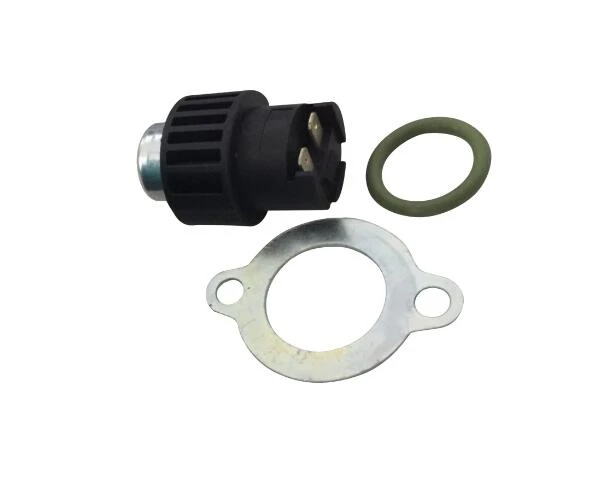
For example, in a manual gearbox, a position sensor can detect when the gear lever is in a particular position, such as neutral or first gear. In an automatic gearbox, position sensors are used to monitor the position of the shift forks and other components to ensure that the gears are engaged and disengaged correctly.
There are different types of position sensors, including potentiometers and optical sensors. Potentiometers work by changing the resistance based on the position of a sliding contact, while optical sensors use light to detect the position of an object.
Vibration Sensors
Vibration sensors are used to detect vibrations in the gearbox. While some level of vibration is normal, excessive or abnormal vibrations can be a sign of a problem. For example, a loose component, a worn gear, or a misaligned shaft can cause increased vibrations.
Vibration sensors can detect these vibrations and send signals to the control system. The system can then analyze the vibration patterns to determine the source of the problem. This allows for early detection and preventive maintenance, reducing the risk of breakdowns and costly repairs.
There are different types of vibration sensors, such as accelerometers and piezoelectric sensors. Accelerometers measure the acceleration of the vibrations, while piezoelectric sensors generate an electrical charge in response to mechanical stress caused by the vibrations.
Torque Sensors
Torque sensors are used to measure the torque, or rotational force, transmitted through the gearbox. This information is important for several reasons. First, it helps the control system optimize the performance of the gearbox. By knowing the torque requirements, the system can adjust the gear ratio and other parameters to ensure that the gearbox operates efficiently.
Second, torque sensors can detect abnormal torque levels, which may indicate a problem with the gearbox or the connected equipment. For example, if the torque suddenly increases or decreases, it could be a sign of a jammed gear, a broken shaft, or a problem with the load.
There are different types of torque sensors, including strain gauge sensors and magnetic torque sensors. Strain gauge sensors measure the deformation of a component caused by the torque, while magnetic torque sensors use magnetic fields to detect the torque.
Oil Quality Sensors
Oil quality sensors are used to monitor the condition of the gearbox oil. The oil in a gearbox serves several important functions, including lubrication, cooling, and corrosion protection. Over time, the oil can degrade due to heat, oxidation, and contamination.
Oil quality sensors can detect changes in the oil's properties, such as viscosity, acidity, and the presence of contaminants. By monitoring the oil quality, the system can determine when it's time to change the oil. This helps to maintain the performance and longevity of the gearbox.
There are different types of oil quality sensors, including capacitive sensors and optical sensors. Capacitive sensors measure the dielectric constant of the oil, which changes as the oil degrades. Optical sensors use light to detect the presence of contaminants in the oil.
Conclusion
As you can see, sensors play a crucial role in modern gearboxes. They help to ensure smooth operation, improve efficiency, and enhance safety. By monitoring various parameters such as temperature, pressure, speed, position, vibration, torque, and oil quality, sensors can detect problems early and allow for timely intervention.
At our company, we understand the importance of using high-quality sensors in our gearboxes. That's why we carefully select and integrate the best sensors into our products to ensure optimal performance and reliability.
If you're in the market for a gearbox, or if you have any questions about the sensors used in gearboxes, we'd love to hear from you. Whether you're interested in the Renault 7420562642, the Renault 20365902 7420365902 BAR GEAR SHIFTER, or the Solenoid Valve 7422327072, we can provide you with the information and products you need. Contact us today to start a conversation about your gearbox needs and how we can help you find the perfect solution.
References
- "Automotive Transmission Systems" by John C. Dixon
- "Mechanical Design of Machine Elements and Machines: A Failure Prevention Perspective" by Jack A. Collins
- "Industrial Sensors: A User's Guide" by John Webster