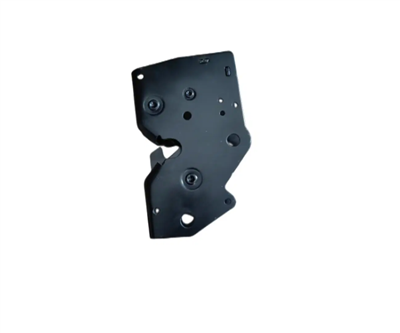
In the complex world of engine parts, each component plays a crucial role in ensuring the smooth and efficient operation of an engine. One such vital part is the throttle body. As an engine parts supplier, I have witnessed firsthand the significance of the throttle body in the overall performance of an engine. In this blog post, I will delve into the role of the throttle body in engine parts, exploring its functions, importance, and impact on engine performance.
Understanding the Throttle Body
The throttle body is a key component of the air intake system in a modern internal combustion engine. It is typically located between the air filter and the intake manifold. The primary function of the throttle body is to control the amount of air that enters the engine. By regulating the airflow, the throttle body indirectly controls the engine's power output and speed.
The throttle body consists of a housing, a throttle plate, and a throttle position sensor (TPS). The housing is a cylindrical or rectangular structure that contains the throttle plate. The throttle plate is a circular or oval-shaped valve that rotates within the housing. When the driver presses the accelerator pedal, the throttle plate opens, allowing more air to enter the engine. Conversely, when the driver releases the accelerator pedal, the throttle plate closes, reducing the airflow.
The throttle position sensor (TPS) is a crucial component of the throttle body. It is responsible for sending a signal to the engine control unit (ECU) indicating the position of the throttle plate. The ECU uses this information to adjust the fuel injection and ignition timing, ensuring optimal engine performance.


Functions of the Throttle Body
The throttle body performs several important functions in an engine. Let's take a closer look at each of these functions:
1. Airflow Control
As mentioned earlier, the primary function of the throttle body is to control the amount of air that enters the engine. By regulating the airflow, the throttle body determines the engine's power output and speed. When the driver presses the accelerator pedal, the throttle plate opens, allowing more air to enter the engine. This increased airflow results in a higher volume of fuel being injected into the engine, which in turn increases the engine's power output. Conversely, when the driver releases the accelerator pedal, the throttle plate closes, reducing the airflow and the engine's power output.
2. Idle Speed Control
The throttle body also plays a crucial role in maintaining the engine's idle speed. At idle, the throttle plate is slightly open, allowing a small amount of air to enter the engine. The ECU uses the throttle position sensor (TPS) to monitor the position of the throttle plate and adjust the idle speed accordingly. If the engine is running too fast or too slow at idle, the ECU can adjust the throttle plate position to bring the idle speed back to the desired level.
3. Cruise Control
In vehicles equipped with cruise control, the throttle body is used to maintain a constant speed. When the driver sets the cruise control speed, the ECU takes over the control of the throttle plate. The ECU adjusts the throttle plate position based on the vehicle's speed and the resistance it encounters. By continuously adjusting the airflow, the ECU ensures that the vehicle maintains a constant speed, regardless of changes in terrain or road conditions.
4. Emissions Control
The throttle body also plays a role in emissions control. By regulating the airflow, the throttle body helps to ensure that the engine burns fuel efficiently. When the engine burns fuel efficiently, it produces fewer harmful emissions. Additionally, the throttle body can work in conjunction with other emissions control systems, such as the exhaust gas recirculation (EGR) system and the catalytic converter, to further reduce emissions.
Importance of the Throttle Body
The throttle body is a critical component of an engine. Its proper functioning is essential for optimal engine performance, fuel efficiency, and emissions control. Here are some reasons why the throttle body is so important:
1. Engine Performance
The throttle body directly affects the engine's power output and speed. By controlling the airflow, the throttle body determines how much fuel is injected into the engine. A properly functioning throttle body ensures that the engine receives the right amount of air and fuel, resulting in smooth acceleration, responsive throttle control, and maximum power output.
2. Fuel Efficiency
The throttle body also plays a crucial role in fuel efficiency. By regulating the airflow, the throttle body ensures that the engine burns fuel efficiently. When the engine burns fuel efficiently, it uses less fuel to produce the same amount of power. This results in improved fuel economy and reduced fuel costs.
3. Emissions Control
As mentioned earlier, the throttle body helps to reduce emissions by ensuring that the engine burns fuel efficiently. A properly functioning throttle body can also work in conjunction with other emissions control systems to further reduce emissions. By reducing emissions, the throttle body helps to protect the environment and comply with government regulations.
4. Driveability
The throttle body has a significant impact on the vehicle's driveability. A smooth and responsive throttle response is essential for a comfortable and enjoyable driving experience. A malfunctioning throttle body can cause a variety of driveability issues, such as rough idling, hesitation, stalling, and poor acceleration.
Impact of a Malfunctioning Throttle Body
A malfunctioning throttle body can have a significant impact on the engine's performance and driveability. Here are some common symptoms of a malfunctioning throttle body:
1. Rough Idling
One of the most common symptoms of a malfunctioning throttle body is rough idling. When the throttle body is dirty or clogged, it may not be able to maintain a consistent idle speed. This can result in the engine idling too fast or too slow, or it may cause the engine to shake or vibrate while idling.
2. Hesitation or Stalling
A malfunctioning throttle body can also cause hesitation or stalling when the driver presses the accelerator pedal. This is because the throttle body may not be able to open or close quickly enough to allow the right amount of air to enter the engine. As a result, the engine may not receive enough fuel, causing it to hesitate or stall.
3. Poor Acceleration
A dirty or clogged throttle body can also affect the engine's acceleration. When the throttle body is not functioning properly, it may not be able to provide enough airflow to the engine, resulting in poor acceleration. The engine may feel sluggish or unresponsive when the driver presses the accelerator pedal.
4. Check Engine Light
In some cases, a malfunctioning throttle body may trigger the check engine light on the dashboard. The check engine light is a warning indicator that alerts the driver to a potential problem with the engine. If the check engine light comes on, it is important to have the vehicle inspected by a qualified mechanic as soon as possible.
Maintenance and Replacement of the Throttle Body
To ensure optimal engine performance, it is important to maintain the throttle body regularly. Here are some tips for maintaining the throttle body:
1. Cleaning
Over time, the throttle body can become dirty or clogged with carbon deposits, dirt, and debris. This can affect its performance and cause a variety of problems. To prevent this, it is recommended to clean the throttle body periodically. You can use a throttle body cleaner and a soft brush to remove the dirt and debris from the throttle plate and the housing.
2. Inspection
It is also important to inspect the throttle body regularly for signs of wear and damage. Check the throttle plate for any signs of warping or damage. Inspect the throttle position sensor (TPS) for any signs of corrosion or damage. If you notice any problems, it is recommended to replace the throttle body or the affected components.
3. Replacement
If the throttle body is severely damaged or worn out, it may need to be replaced. When replacing the throttle body, it is important to use a high-quality replacement part that is compatible with your vehicle. You can find a wide range of throttle bodies and other engine parts at [Your Supplier Name]. We offer a variety of engine parts for different makes and models of vehicles, including Volvo 22902431 21468472 7422902432 Coolant Pump With Gasket, Volvo 23959585 Water Pump, and Volvo 20583314/8171512/20569775 Clutch Booster.
Conclusion
In conclusion, the throttle body is a crucial component of an engine. It plays a vital role in controlling the airflow, regulating the engine's power output and speed, and maintaining optimal engine performance. A properly functioning throttle body is essential for smooth acceleration, responsive throttle control, improved fuel efficiency, and reduced emissions.
As an engine parts supplier, we understand the importance of providing high-quality throttle bodies and other engine parts. We offer a wide range of engine parts for different makes and models of vehicles, ensuring that you can find the right part for your vehicle. If you have any questions or need assistance with your engine parts needs, please feel free to contact us. We are here to help you keep your engine running smoothly.
References
- Automotive Engineering: Principles and Practice by Graham Hall
- Engine Performance Tuning by David Vizard
- The Automotive Handbook by Bosch