

As a gearbox supplier, I've witnessed firsthand how the design of a gearbox can significantly influence the performance of various mechanical systems. In this blog post, I'll delve into the key aspects of gearbox design and explore their impact on performance, drawing on my years of experience in the industry.
Gear Ratios and Torque Transmission
One of the most fundamental aspects of gearbox design is the selection of gear ratios. Gear ratios determine the relationship between the input and output speeds and torques of the gearbox. By choosing the appropriate gear ratios, designers can optimize the performance of the system for specific applications.
For example, in automotive applications, a gearbox with a wide range of gear ratios allows the engine to operate within its optimal power band across a variety of driving conditions. This results in improved fuel efficiency, acceleration, and overall performance. On the other hand, in industrial applications such as conveyor systems, a gearbox with a fixed gear ratio may be sufficient to meet the specific requirements of the system.
The efficiency of torque transmission is also closely related to gear ratio selection. A well-designed gearbox minimizes power losses due to friction and other factors, ensuring that the maximum amount of torque is transmitted from the input shaft to the output shaft. This not only improves the performance of the system but also reduces energy consumption and operating costs.
Gear Material and Manufacturing Quality
The choice of gear material and the quality of manufacturing processes have a significant impact on the performance and durability of a gearbox. High-quality gear materials, such as alloy steels and heat-treated metals, offer excellent strength, hardness, and wear resistance, ensuring reliable operation under heavy loads and high speeds.
In addition to material selection, the manufacturing process plays a crucial role in determining the quality of the gears. Precision machining techniques, such as hobbing, grinding, and honing, are used to ensure accurate gear tooth profiles and smooth surface finishes. This reduces noise, vibration, and wear, improving the overall performance and reliability of the gearbox.
At our company, we use only the highest quality materials and state-of-the-art manufacturing processes to produce our gearboxes. Our gears are carefully inspected and tested to ensure that they meet the strictest quality standards, providing our customers with reliable and long-lasting solutions.

Lubrication and Cooling
Proper lubrication and cooling are essential for maintaining the performance and longevity of a gearbox. Lubricants reduce friction between the gears, preventing wear and tear and improving efficiency. They also help to dissipate heat generated during operation, preventing overheating and damage to the gearbox.
The type of lubricant used in a gearbox depends on several factors, including the operating conditions, gear material, and design of the gearbox. For example, high-speed applications may require a synthetic lubricant with excellent thermal stability and anti-wear properties, while heavy-duty applications may require a lubricant with high load-carrying capacity.
In addition to lubrication, cooling systems are often used to maintain the temperature of the gearbox within acceptable limits. Cooling methods may include air cooling, oil cooling, or water cooling, depending on the specific requirements of the application.
Noise and Vibration
Noise and vibration are common issues in gearbox operation, which can not only affect the comfort of the operator but also indicate potential problems with the gearbox. Excessive noise and vibration can be caused by a variety of factors, including misaligned gears, worn bearings, and improper lubrication.
To minimize noise and vibration, gearbox designers use a variety of techniques, such as optimizing gear tooth profiles, using vibration-damping materials, and implementing proper mounting and alignment procedures. In addition, regular maintenance and inspection can help to identify and address potential issues before they become serious problems.
Impact on Different Applications
The impact of gearbox design on performance varies depending on the specific application. Here are some examples of how gearbox design can affect the performance of different types of systems:
- Automotive Applications: In automotive applications, a well-designed gearbox can improve fuel efficiency, acceleration, and overall driving performance. For example, a dual-clutch transmission (DCT) offers faster gear changes and smoother operation compared to a traditional automatic transmission, resulting in a more engaging driving experience.
- Industrial Applications: In industrial applications, such as manufacturing and material handling, gearboxes are used to transmit power and control the speed of various equipment. A reliable and efficient gearbox is essential for ensuring the smooth operation of these systems and minimizing downtime.
- Aerospace Applications: In aerospace applications, gearboxes are used in a variety of systems, including aircraft engines, landing gear, and flight control systems. The design of these gearboxes must meet strict requirements for reliability, weight, and performance, as any failure can have serious consequences.
Our Gearbox Products
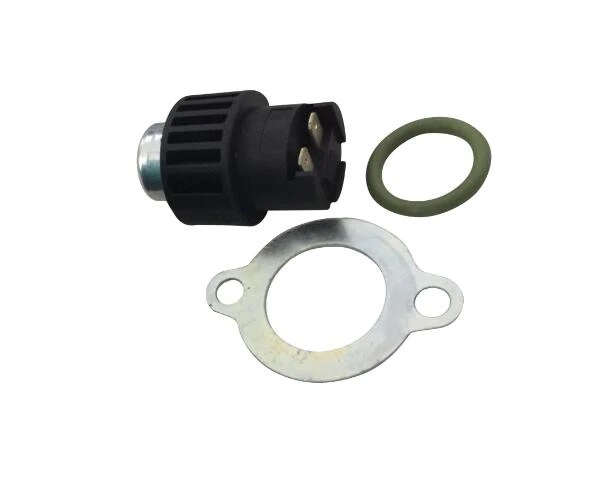
As a gearbox supplier, we offer a wide range of high-quality gearboxes to meet the diverse needs of our customers. Our product portfolio includes Renault 7420562642, Solenoid Valve 7422327072, and Renault 20365902 7420365902 BAR GEAR SHIFTER, among others.
Our gearboxes are designed and manufactured to the highest standards of quality and performance, using the latest technologies and materials. We work closely with our customers to understand their specific requirements and provide customized solutions that meet their needs.
Conclusion
In conclusion, the design of a gearbox has a profound impact on the performance, efficiency, and reliability of various mechanical systems. By carefully considering factors such as gear ratios, material selection, manufacturing quality, lubrication, and noise reduction, designers can optimize the performance of the gearbox for specific applications.
As a gearbox supplier, we are committed to providing our customers with high-quality gearboxes that meet their needs and exceed their expectations. If you are interested in learning more about our products or have any questions about gearbox design and performance, please don't hesitate to contact us. We look forward to working with you to find the best solution for your application.
References
- "Gear Design and Application" by Dudley, Darle W.
- "Mechanical Engineering Design" by Shigley, Joseph Edward.
- "Handbook of Practical Gear Design and Manufacture" by Townsend, Dennis P.


