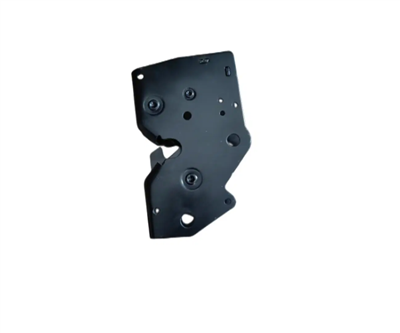
Hey there, fellow engine enthusiasts! As an engine supplier, I've had my fair share of conversations about all sorts of engine components. One that often doesn't get as much attention as it should is the engine harmonic balancer. So, I thought I'd take a few minutes to break down what it is and what it does.
What is an Engine Harmonic Balancer?
Okay, let's start with the basics. An engine harmonic balancer, also known as a vibration damper, is a crucial part of your engine. It's usually located at the front of the engine, attached to the crankshaft pulley. You can think of it as a sort of shock absorber for your engine.
The design of a harmonic balancer is pretty interesting. It typically consists of two main parts: an inner hub and an outer ring. These two parts are connected by a rubber or elastomeric material. The inner hub is bolted directly to the crankshaft, while the outer ring is what drives the various engine accessories like the alternator, water pump, and power steering pump.
What Does an Engine Harmonic Balancer Do?
Now, let's get into the nitty - gritty of what this little device actually does. The main job of an engine harmonic balancer is to reduce vibrations in the engine. When your engine is running, the pistons are moving up and down in the cylinders at high speeds. This creates a lot of force and torque, which can cause the crankshaft to twist and bend. These vibrations, if left unchecked, can lead to a whole host of problems.


First off, excessive vibrations can cause premature wear and tear on the engine components. The crankshaft, bearings, and other moving parts can start to break down faster than normal. This can result in costly repairs and even engine failure. A harmonic balancer helps to absorb and dissipate these vibrations, protecting the engine and extending its lifespan.
Secondly, vibrations can also affect the performance of your engine. They can cause the engine to run less smoothly, leading to a decrease in power and fuel efficiency. By reducing these vibrations, the harmonic balancer helps the engine to operate more efficiently, giving you better performance and saving you money at the pump.
Another important function of the harmonic balancer is to provide a stable base for the engine accessories. As I mentioned earlier, the outer ring of the balancer drives the alternator, water pump, and other accessories. If the balancer wasn't there to smooth out the vibrations, these accessories would be subjected to a lot of stress and could fail prematurely.
Signs of a Bad Harmonic Balancer
So, how do you know if your harmonic balancer is going bad? There are a few signs to look out for. One of the most common signs is excessive engine vibration. If you notice that your engine is shaking more than usual, especially at idle or when accelerating, it could be a sign that the harmonic balancer is failing.
Another sign is a squealing or rattling noise coming from the front of the engine. This could be due to the rubber or elastomeric material between the inner hub and outer ring breaking down or separating. If you hear this noise, it's important to have your engine checked out as soon as possible.
You might also notice that your engine accessories aren't working properly. For example, your alternator might not be charging the battery correctly, or your water pump might not be circulating coolant effectively. This could be because the harmonic balancer is no longer providing a stable base for these accessories.
Importance of Quality Harmonic Balancers
As an engine supplier, I can't stress enough the importance of using high - quality harmonic balancers. A cheap or poorly made balancer might seem like a good deal at first, but it's likely to cause problems down the road.
A quality harmonic balancer is designed to withstand the high levels of stress and vibration in your engine. It's made from durable materials and is built to exacting specifications. This means that it will do a better job of reducing vibrations and protecting your engine.
When you're looking for a harmonic balancer, make sure to choose one that is specifically designed for your engine make and model. This will ensure that it fits properly and functions as intended.
Related Engine Parts
While we're on the topic of engine components, I'd like to mention a few other parts that are related to the harmonic balancer and are also important for the proper functioning of your engine.
One such part is the Accelerator Pedal Sensor 3948425. This sensor is responsible for sending a signal to the engine control unit (ECU) based on how far you press the accelerator pedal. It helps the ECU to determine how much fuel to inject into the engine, which is crucial for proper engine performance.
Another important part is the Renault Ecas Height Sensor 5010260969. This sensor is used in vehicles with an Electronic Controlled Air Suspension (ECAS) system. It measures the height of the vehicle and sends this information to the suspension control unit, which then adjusts the suspension accordingly.
The Renault 7482492421 ACCELERATOR POSITION SENSOR is also a key component. Similar to the accelerator pedal sensor, it provides information about the position of the accelerator pedal to the ECU, helping to ensure smooth and efficient engine operation.
Conclusion
In conclusion, the engine harmonic balancer is a small but mighty component of your engine. It plays a crucial role in reducing vibrations, protecting the engine, and ensuring proper performance. If you suspect that your harmonic balancer is going bad, don't ignore it. Have it checked out by a professional as soon as possible.
As an engine supplier, I'm here to help you find the right parts for your engine. Whether you need a new harmonic balancer or any of the related parts I mentioned, I can provide you with high - quality products at competitive prices. If you're interested in purchasing any engine parts or have any questions, feel free to reach out to me for a friendly chat and a procurement discussion.
References
- "Automotive Engine Repair Manual" - General automotive repair reference book
- "Engine Component Technology" - A technical guide on engine components and their functions