Hey there! As an electrical supplier, I've seen my fair share of electrical outlet installations. It's a task that might seem simple at first glance, but it's crucial to do it safely to avoid any potential hazards. In this blog, I'll walk you through the steps to install electrical outlets safely.
Before You Start
Before you even think about getting your hands dirty, there are a few things you need to do. First off, make sure you've got the right tools. You'll need a screwdriver (both flat - head and Phillips), a voltage tester, wire strippers, and a utility knife. These tools are essential for a smooth installation process.
It's also super important to check your local electrical codes. Different areas have different rules and regulations when it comes to electrical work. You don't want to end up with a non - compliant installation that could cause problems down the road. You can usually find this information online or at your local building department.
Power Off
The most basic safety rule in electrical work is to turn off the power. Locate the circuit breaker that controls the area where you'll be installing the outlet. Flip the breaker to the "off" position and use a voltage tester to double - check that there's no power flowing to the wires. You can't be too careful here; working on live wires is extremely dangerous.
Remove the Old Outlet (if applicable)
If you're replacing an existing outlet, start by removing the cover plate. Use your screwdriver to take out the screws holding the plate in place. Once the cover is off, you'll see the outlet itself. Unscrew the outlet from the electrical box and gently pull it out. Be careful not to tug too hard on the wires.
Prepare the Wires
Now, it's time to work on the wires. Use your wire strippers to remove about 3/4 inch of insulation from the ends of the wires. You'll usually have three types of wires: black (hot), white (neutral), and green or bare copper (ground). Make sure the exposed wire is clean and free of any fraying.
Install the New Outlet
Take your new outlet and match the wires to the corresponding terminals. The black wire goes to the brass - colored terminal, the white wire goes to the silver - colored terminal, and the green or bare copper wire goes to the green grounding terminal. Use your screwdriver to tighten the screws on the terminals, making sure the wires are securely attached.
Mount the Outlet
Once the wires are connected, carefully push the outlet back into the electrical box. Make sure it's straight and level. Then, use your screwdriver to attach the outlet to the box with the screws provided.
Replace the Cover Plate
Put the cover plate back on the outlet and secure it with the screws. Make sure it fits snugly and looks nice.
Turn the Power Back On
After you've double - checked all your connections, go back to the circuit breaker and turn the power back on. Use your voltage tester to confirm that the outlet is working properly.
Safety Tips
- Use proper grounding: Always make sure the grounding wire is connected correctly. Grounding helps protect you from electrical shocks in case of a short circuit.
- Don't overload the outlet: Each outlet has a maximum amperage rating. Don't plug in too many high - wattage devices at once, as this can cause overheating and potentially start a fire.
- Inspect the outlet regularly: Check for any signs of damage, such as cracks or loose connections. If you notice any problems, replace the outlet immediately.
Our Electrical Products
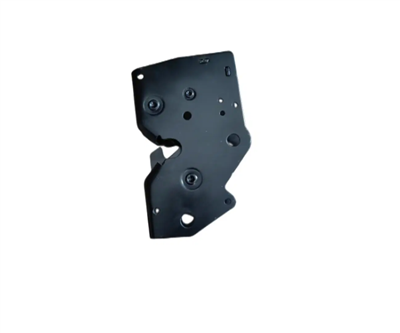
As an electrical supplier, we offer a wide range of high - quality electrical products. For example, we have the SCANIA 2558585 2673062 2892694 2892594, which is a great option for various electrical applications. We also have the Scania 1334037 1488033 1423566 Solenoid Valve and the Scania Lever 2039141, 2824093, 2824094. These products are reliable and can help you with your electrical projects.
Contact Us for Purchase
If you're interested in purchasing any of our electrical products or need more information about electrical outlet installation, feel free to reach out. We're here to help you with all your electrical needs. Whether you're a DIY enthusiast or a professional electrician, we've got the products and expertise to support you.


References
- National Electrical Code (NEC)
- Electrical safety manuals from major electrical equipment manufacturers
So, there you have it! A step - by - step guide on how to install electrical outlets safely. Remember, safety should always be your top priority when working with electricity. If you're not confident in your abilities, it's always a good idea to hire a professional electrician.