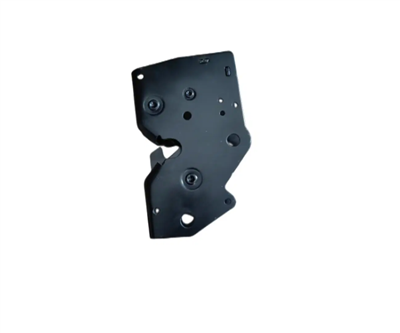
In the automotive and industrial machinery sectors, the question of whether engine parts can be reused after a minor repair is a topic of significant interest. As an engine parts supplier, I've encountered this query numerous times from customers seeking cost - effective solutions and more sustainable practices. In this blog, we'll delve into the factors to consider when deciding on reusing engine parts post - minor repairs.
Understanding Minor Repairs
Before we assess the reusability of engine parts, it's crucial to define what a minor repair is. Minor repairs typically involve fixing small issues such as replacing gaskets, seals, or making minor adjustments to components. These repairs don't involve significant damage to the core structure of the part. For example, if a radiator has a small leak that can be patched, or a pressure sensor has a loose connection that can be tightened, these are considered minor repairs.
Factors Affecting Reusability
Material Integrity
The first and most important factor is the material integrity of the engine part. Metals used in engine parts, such as aluminum and steel, can withstand a certain amount of stress and wear. However, after a minor repair, it's essential to inspect the part for any signs of hidden damage. For instance, a radiator that has been patched for a small leak may still have underlying corrosion that could cause future problems. If the material has been weakened due to the initial damage or the repair process, reusing the part may not be a wise decision.
Compatibility with the Engine
Engine parts are designed to work in harmony with the entire engine system. A minor repair may alter the dimensions or performance characteristics of a part slightly. When reusing a repaired part, it's necessary to ensure that it still fits and functions correctly within the engine. For example, a water pump housing that has been repaired may have a different internal flow rate, which could affect the engine's cooling system.
Safety and Reliability
Safety is paramount when it comes to engine parts. A reused part that fails can lead to serious engine damage or even pose a safety risk to the vehicle or machinery operator. After a minor repair, the part should be thoroughly tested to ensure that it meets the same safety and reliability standards as a new part. This may involve pressure testing for a radiator or calibration for a pressure sensor.
Examples of Engine Parts and Their Reusability
Radiators
Radiators are essential for keeping the engine cool. A minor leak in a radiator can often be repaired. However, as mentioned earlier, corrosion can be a hidden problem. Volvo 20722440 Radiator is a high - quality radiator, and if it has a minor leak, a professional repair may be possible. But a detailed inspection of the entire radiator, including the fins and tubes, is necessary. If the corrosion is extensive, it's better to replace the radiator rather than reuse the repaired one.
Pressure Sensors
Pressure sensors are responsible for monitoring various pressures within the engine, such as oil pressure and fuel pressure. A minor issue like a loose wire connection can be easily fixed. The Volvo 23713681 Pressure Sensor is a precision part. After a minor repair, it should be calibrated to ensure accurate readings. If the sensor's internal components have been damaged during the repair process, it may not provide reliable data, and reusing it could lead to engine malfunctions.
Water Pump Housings
Water pump housings are crucial for the proper circulation of coolant in the engine. A minor crack in a water pump housing can sometimes be repaired. The Volvo Water Pump Housing 20539530 needs to maintain its structural integrity. If the repair affects the housing's ability to hold the impeller or seal properly, it can cause coolant leaks and overheating. Therefore, a thorough inspection and testing are required before reusing a repaired water pump housing.
Benefits of Reusing Repaired Engine Parts
Cost - Savings
One of the most significant benefits of reusing engine parts after a minor repair is cost - savings. New engine parts can be expensive, especially for high - end vehicles or industrial machinery. Reusing a repaired part can significantly reduce the maintenance costs for the end - user. For small businesses or individual vehicle owners, this can make a big difference in their budget.
Environmental Sustainability
Reusing engine parts also contributes to environmental sustainability. Manufacturing new engine parts requires a significant amount of energy and resources. By reusing repaired parts, we can reduce the demand for new parts production, which in turn reduces the carbon footprint associated with manufacturing processes.
Risks of Reusing Repaired Engine Parts
Increased Maintenance Frequency
Reused parts may require more frequent maintenance compared to new parts. Since they have already been damaged and repaired, they may be more prone to future failures. This can lead to increased downtime for vehicles or machinery, which can be costly for businesses.


Warranty Issues
Using a reused part may void the engine's warranty. Many engine manufacturers have specific guidelines regarding the use of repaired or reused parts. If a problem occurs with the engine and it's found that a reused part was the cause, the manufacturer may not honor the warranty.
How to Make an Informed Decision
As an engine parts supplier, I recommend the following steps to make an informed decision about reusing engine parts after a minor repair:
- Consult a Professional: Have a qualified mechanic or engineer inspect the part and provide an expert opinion. They can assess the material integrity, compatibility, and safety of the repaired part.
- Review the Repair History: Keep detailed records of the repair process. This includes the type of repair, the materials used, and any testing that was done. This information can help in evaluating the long - term viability of the part.
- Consider the Application: The intended use of the engine also plays a role. For critical applications, such as in heavy - duty trucks or industrial machinery, it may be safer to use new parts. For less critical applications, like a personal vehicle used for daily commuting, reusing a repaired part may be a more viable option.
Conclusion
The question of whether engine parts can be reused after a minor repair doesn't have a one - size - fits - all answer. It depends on various factors such as material integrity, compatibility, safety, and the specific application of the engine. While there are benefits to reusing repaired parts, such as cost - savings and environmental sustainability, there are also risks that need to be carefully considered.
As an engine parts supplier, I'm here to assist you in making the right decision. Whether you're looking for new parts or need advice on reusing repaired parts, feel free to reach out for a consultation. We can help you weigh the pros and cons and find the most suitable solution for your engine maintenance needs.
References
- Automotive Engineering Handbook, SAE International
- Engine Maintenance and Repair Guide, Chilton Publications
- Environmental Impact of Automotive Manufacturing, International Council on Clean Transportation